

Introduction to Rose Petal Sourdough
Why make homemade bread?
Homemade bread brings a sense of accomplishment and warmth that is hard to replicate with store-bought options. In fact, did you know that baking your own bread can save you money and provide a fresh flavor that pre-packaged loaves simply can’t match? According to the Artisan Bread School, baking bread at home also allows you to control the ingredients, making it a healthier choice, especially for those with dietary restrictions.
There’s something magical about taking flour, water, and salt, then transforming them into a warm loaf of sourdough. This process connects you to your food in a way that few other cooking methods do. Plus, sharing your homemade creations with friends and family is a surefire way to spread joy and cozy vibes.
The unique flavor profile of rose petal sourdough
Now, let’s talk about what sets rose petal sourdough apart from traditional recipes. The addition of rose petals not only offers stunning visual appeal but also infuses your bread with delicate floral notes. Imagine biting into a slice of sourdough that balances the tang of fermentation with the sweet aroma of roses. It’s a feast for the senses!
Incorporating rose petals into your sourdough is surprisingly easy. They can be dried and mixed into the dough or used as a garnish for that extra touch. Not only do they elevate the visual presentation, but they also create a unique flavor that pairs delightfully with spreads like honey or even savory toppings like turkey bacon or chicken ham.
When you embark on this bake, consider exploring the world of floral flavors. According to experts, incorporating edible flowers like lavender or hibiscus can enhance the tasting experience. If you’re curious, check out sources like The Culinary Institute of America for more insights on using florals in baking.
Crafting rose petal sourdough is more than just a recipe; it’s an invitation to explore flavors, create nurturing traditions, and bring a little bit of beauty into your kitchen. So why not roll up your sleeves and give it a try? It could become your new favorite baking adventure!
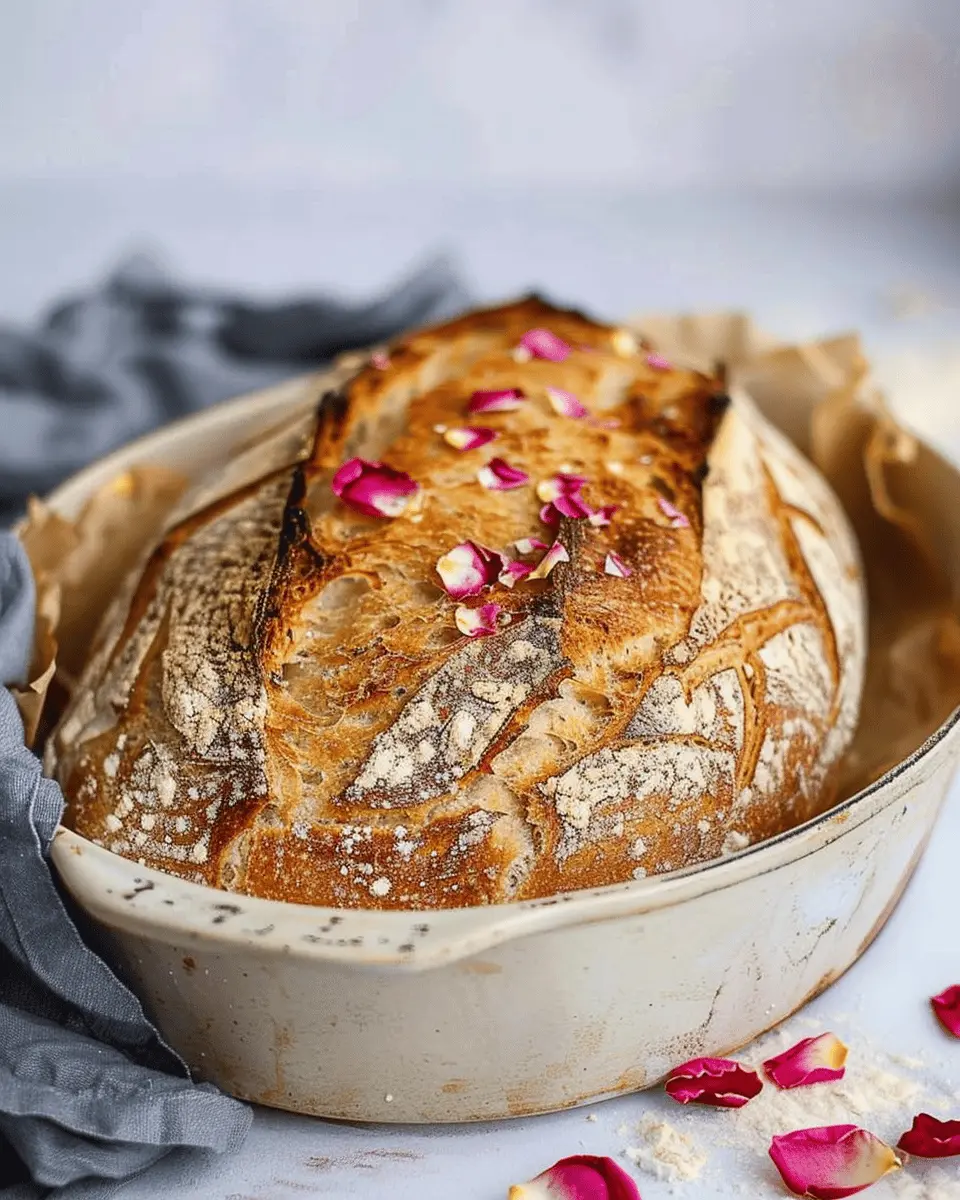
Ingredients for Rose Petal Sourdough
Creating a delightful rose petal sourdough bread at home is both an art and a science. Here’s what you’ll need to bring this wonderful creation to life:
Essential Ingredients
- Bread Flour: 500 grams – This will provide structure and strength to your bread. Opt for high-protein flour for the best results.
- Rose Petals: 30 grams – Dried or fresh, they add a lovely floral aroma and a hint of sweetness. Be sure to use petals from edible roses.
- Starter: 150 grams of active sourdough starter – This is the heart of your bread; it gives it that tangy flavor.
- Water: 350 grams – Make sure it’s lukewarm to activate the yeast effectively.
- Salt: 10 grams – This enhances flavor and strengthens the dough’s gluten structure.
- Honey: 1 tablespoon – A touch of sweetness that complements the floral notes perfectly.
Optional Additions
- Seeds and Nuts: Walnuts or sunflower seeds can provide a delightful crunch.
- Zest of Lemon or Orange: For a citrusy twist that pairs beautifully with the roses.
Gather these ingredients, and you’re ready to start your rose petal sourdough journey! Curious to see how the process unfolds? Check out resources like Food52 for baking tips and tricks!
Preparing Rose Petal Sourdough
Making rose petal sourdough bread is a beautiful blend of art and science, and while it may seem daunting, it’s a rewarding process that fills your kitchen with delightful aromas. Let’s break down each step into manageable parts to ensure you enjoy the journey as much as the destination.
Pre-mix and autolyse the dough
Start by combining your flour and water in a large mixing bowl. It’s essential to let this mixture rest for about 30 minutes to an hour in a process called autolyse. This period allows the flour to hydrate and develop gluten, setting the foundation for a strong structure in your rose petal sourdough. Adding about 10% of the total flour weight in finely chopped rose petals will infuse the dough with their lovely fragrance and flavor before you introduce the sourdough starter. For a detailed guide on sourdough mixing, check out Serious Eats.
Forming up your dough
Once the autolyse is complete, it’s time to incorporate your sourdough starter and salt into the mixture. Use your hands to pinch and fold the ingredients together—think of it as a gentle hug for your dough! A good guideline is to add about 20% of the flour weight in starter and 2% in salt. This step marks the beginning of the active fermentation process.
Stretch and fold for structure
After the initial mixing, the dough will need some TLC through a series of stretch and fold techniques. Every 30 minutes for the first 2-3 hours, gently pull one side of the dough up and over towards the middle, rotating the bowl as you go. This process develops the gluten structure necessary for a light, airy crumb.
Bulk fermentation process
With your dough folded and stretched, the magic of bulk fermentation begins. Place your dough in a lightly oiled bowl and cover it with a damp cloth or plastic wrap. Let it sit at room temperature, ideally between 75°F to 80°F, for about 4 to 6 hours. During this time, the dough should expand and bubble up significantly, indicating successful fermentation.
Shaping the dough
After bulk fermentation, gently transfer your dough onto a well-floured surface. Using a bench scraper, divide it into two equal pieces if you want to make two loaves. Shape each piece into a ball by folding the edges toward the center and then flipping it over. Be careful not to deflate the dough; it’s filled with precious gases that contribute to the final rise.
Cold fermentation
To enhance the flavor of your rose petal sourdough, it’s beneficial to let it undergo a cold fermentation in the refrigerator for 12 to 24 hours. This slow fermentation allows the flavors to deepen and develop complexities that make your bread extraordinary. Cover the shaped dough with a cloth or place it in a proofing basket before putting it in the fridge.
Preparing to bake
When you’re ready to bake, preheat your oven to 475°F (245°C) with a Dutch oven inside. This allows the pot to get heated thoroughly, creating a steam environment that helps your bread to rise beautifully. As you wait, consider preparing a simple herb-infused olive oil to drizzle over your freshly baked bread.
Baking your sourdough
Carefully remove the hot Dutch oven and place your dough inside, making sure to score the top with a sharp blade for a professional look. Cover with the lid and bake for 30 minutes. After that, remove the lid and continue baking for another 15-20 minutes until the crust is a rich golden brown. The aroma of rose petal sourdough will be irresistible!
With these steps, you’ll craft a loaf that not only tastes incredible but also serves as a conversation starter at your next gathering. Happy baking!
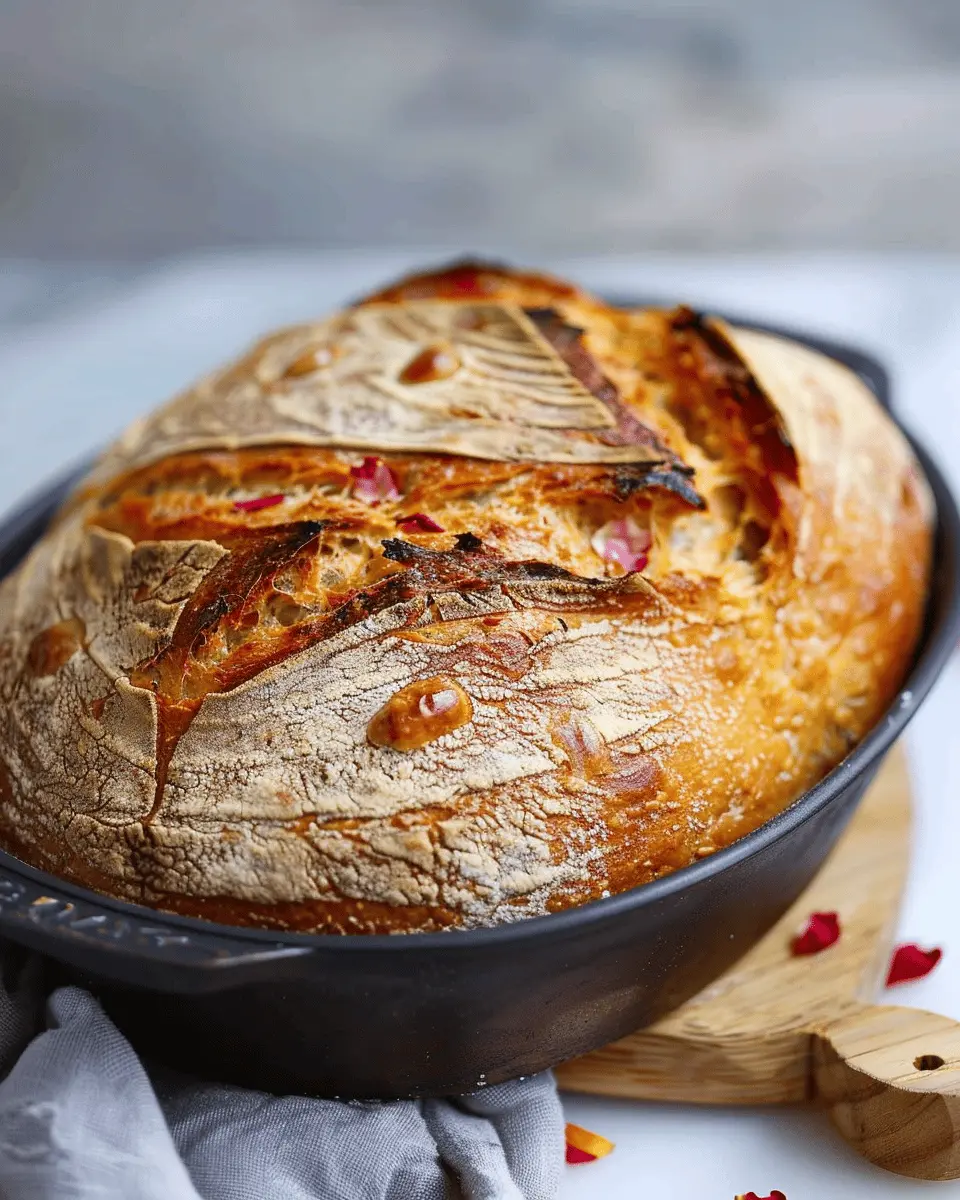
Variations on Rose Petal Sourdough
When it comes to creating an enchanting loaf of rose petal sourdough, the possibilities are truly endless! Beyond the delicate fragrance and flavor of rose petals, you can explore a world of floral and spice combinations to elevate your baking game.
Adding Different Floral Elements
While rose petals are the star of the show, consider introducing other floral accents to your sourdough. Lavender, for example, offers a soothing aroma that pairs beautifully with the sweetness of rose. Imagine biting into a slice that transports you to a sunny meadow! You can also experiment with edible flower petals like violets or hibiscus for a vibrant color and tartness that complements the roses. Each addition will infuse your bread with unique flavors, creating a loaf as much about depth as it is about beauty. For further inspiration, sites like The Spruce Eats offer great ideas on using edible flowers in savory and sweet dishes.
Incorporating Various Spices
Spices can add warmth and unexpected flavors to your rose petal sourdough. Try infusing ground cardamom or cinnamon to evoke cozy memories while baking. Just a pinch of cardamom can take your bread from delightful to divine! If you’re in the mood for a little kick, a hint of black pepper can create an exciting balance to the sweetness of the roses.
Remember, the key to unlocking these flavors is moderation. Start small, taste, and build up until you find your perfect balance. The right blend of spices and floral notes can turn a simple loaf into a memorable culinary experience. Happy baking!
Cooking tips and notes for Rose Petal Sourdough
Creating a delightful rose petal sourdough can be an enchanting adventure in your kitchen. Here are some tips to elevate your baking.
Tips for a successful rise
The key to a perfect rise lies in the fermentation process. Here are a few pointers to keep in mind:
- Starter freshness: Ensure your sourdough starter is active and bubbly before using. A vibrant starter will yield a better rise.
- Temperature: Maintain a warm, draft-free environment while the dough rises. Aim for around 75–80°F (24–27°C) for optimal fermentation.
- Hydration: If your dough feels too dry, add a little water. A higher hydration dough can lead to a lighter crumb.
Choosing the right flour types
For the best results in your rose petal sourdough, consider the following flour options:
- Bread flour: High in protein, this flour provides strength and structure, which is crucial for proper gluten development.
- Whole wheat flour: Adding some whole wheat flour not only enhances flavor but also increases the nutritional value. Aim for about 10-25% of the total flour.
For more insights on flour variations, check out King Arthur Baking’s guide to flours. Happy baking!
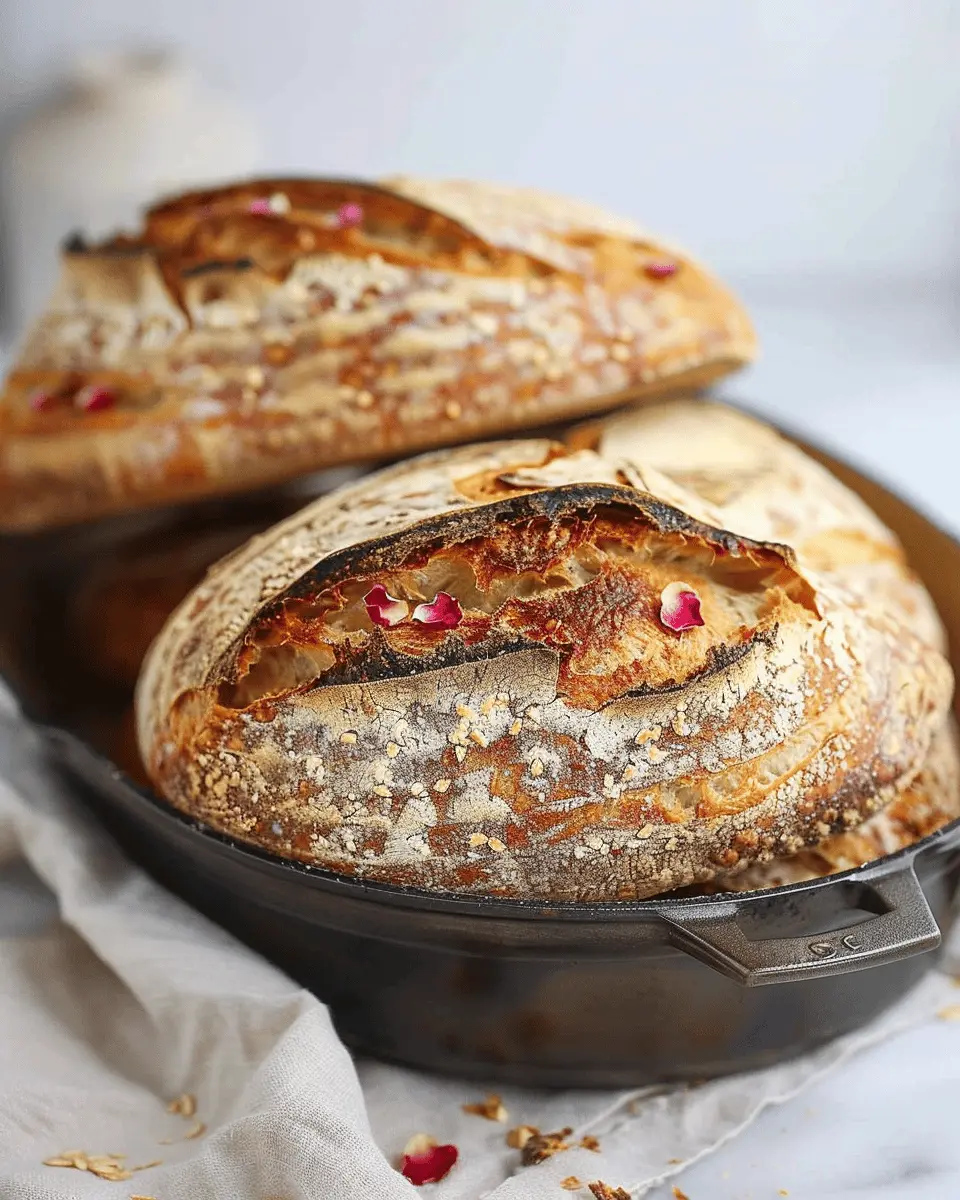
Serving suggestions for Rose Petal Sourdough
Delightful Pairing Suggestions
When it comes to enjoying your rose petal sourdough, the right accompaniments can elevate the entire experience. Consider spreading a thin layer of cream cheese or butter on warm slices for a rich and creamy contrast to the floral notes.
You might also want to pair this unique bread with:
- Turkey Bacon: The savory, smoky flavors of turkey bacon create a delightful balance with the sweetness of the rose petals.
- Chicken Ham: The subtle taste of chicken ham complements the aromatic qualities of the sourdough, enhancing the overall flavor profile.
- Fresh Herb Cream Cheese: A spread laden with chives or dill can beautifully accentuate the floral notes of your bread.
For a light and refreshing pairing, enjoy your slices with a cup of herbal tea or a fruity iced tea.
Creative Uses for Leftover Bread
Have some rose petal sourdough left over? Don’t let it go to waste! Consider transforming it into:
- Bread Pudding: Cubed leftovers can make a delightful dessert when mixed with custard and baked—perfect for utilizing those last few pieces!
- Croutons: Toss cubed bread with olive oil and herbs, bake until golden, and sprinkle them on salads or soups for a flavorful crunch.
These creative uses ensure that every bite brings joy, and it reduces food waste—a win-win situation for both you and the planet. Keep your cooking adventures inspired, and don’t hesitate to explore more innovative ways to make the most of your rose petal sourdough!
Time breakdown for Rose Petal Sourdough
Preparation time
Crafting your rose petal sourdough starts with about 20 minutes of preparation. This includes gathering your ingredients, measuring them out, and incorporating the delicate rose petals into your dough. It’s a lovely step where you can let your creativity shine!
Fermentation time
After you mix everything, the magic really begins. The fermentation process takes approximately 4 to 6 hours, depending on the temperature in your kitchen. The dough should feel bubbly and airy, and you’ll want to give it a good stretch and fold halfway through this period to enhance its texture. If you’re interested in depth fermentation techniques, check out this guide on sourdough fermentation.
Baking time
Finally, when it’s time to bake, expect around 30 to 40 minutes in the oven. Preheat it to a high temperature to create that amazing crust everyone loves. Remember, every oven is unique, so keep an eye on it to achieve that perfect golden brown color.
In total, you’re looking at roughly 5 to 7 hours from start to finish. The wait is worth it for a beautifully aromatic and flavorful rose petal sourdough!
Nutritional facts for Rose Petal Sourdough
Calories per serving
When you indulge in a slice of rose petal sourdough, you’ll be pleased to find that it typically contains around 120-150 calories per serving. This makes it a lovely treat that can fit into various dietary plans, especially when enjoyed in moderation.
Carbohydrate content
Each serving of this delightful bread offers about 25-30 grams of carbohydrates. The presence of rose petals not only adds a unique flavor but also brings a touch of elegance to your meals. These carbohydrates primarily provide energy, perfect for powering through your busy day.
Fiber and protein breakdown
In terms of fiber, you’re looking at around 2-3 grams per serving, which is beneficial for digestive health. The protein content is modest, usually sitting at about 4-5 grams—making it a great pairing with a protein-rich spread, such as turkey bacon or chicken ham. This balance of nutrients will keep you feeling satisfied!
For more insights on the health benefits of incorporating whole grains into your diet, check out resources from the Whole Grains Council, and remember, every slice of rose petal sourdough is a step towards a deliciously nutritious lifestyle!
FAQs about Rose Petal Sourdough
Rose petal sourdough is a delightful twist on traditional sourdough bread, combining the tangy flavor of sourdough with the floral notes of rose petals. If you have questions about how to make or modify this unique recipe, you’re in the right place!
Can I use fresh rose petals?
Absolutely! Fresh rose petals can enhance the fragrance and flavor of your bread. Just be sure they are edible and pesticide-free. Varieties like Damask or Organyc roses are great choices. If using fresh petals, chop them finely to distribute their flavor evenly in the dough. A fun tip: consider adding a bit more sugar to balance the natural tartness of the sourdough.
How can I adjust the sweetness?
If you find that the rose petal sourdough is too sweet or not sweet enough, there are easy ways to adjust it. You can add more or less sugar to the initial dough. For a nuanced sweetness, consider substituting some sugar with honey or maple syrup for a natural touch. Just remember that balancing sweetness can be a personal preference, so feel free to experiment!
What’s the best way to store sourdough?
To keep your rose petal sourdough fresh, store it in a paper bag at room temperature for up to three days. For longer storage, wrap it tightly in plastic wrap and freeze. When you’re ready to enjoy it again, simply thaw it at room temperature. Want to make it last even longer? Slice it before freezing to make toasting easy later on!
Still curious? Check out resources like King Arthur Baking for tips on sourdough maintenance and storage. Happy baking!
Conclusion on Rose Petal Sourdough
Creating rose petal sourdough bread is not just about baking; it’s an experience that indulges the senses. The fusion of fragrant rose petals and the tangy, fluffy texture of sourdough makes this bread a delightful treat. By incorporating simple ingredients and a bit of creativity, you can elevate your baking game and impress friends at your next gathering.
As you experiment with this recipe, remember that each loaf is a canvas for personal flair. Whether you pair it with a rich butter spread or a savory topping like turkey bacon, the possibilities are endless. For more adventurous twists, consider checking out this resource on artisan bread techniques. Happy baking!
PrintRose Petal Sourdough: Easy Homemade Bread to Impress Friends
Make a stunning loaf of Rose Petal Sourdough bread with ease, perfect for impressing friends and family.
- Prep Time: 30 minutes
- Cook Time: 50 minutes
- Total Time: 6-10 hours (including rise time)
- Yield: 1 loaf 1x
- Category: Bread
- Method: baking
- Cuisine: International
- Diet: Vegetarian
Ingredients
- 500 grams bread flour
- 300 grams water
- 100 grams sourdough starter
- 10 grams salt
- 50 grams dried rose petals
Instructions
- In a large mixing bowl, combine bread flour and water. Mix until no dry flour remains.
- Add sourdough starter and salt, then knead the dough for about 10 minutes until smooth.
- Gently incorporate the dried rose petals into the dough.
- Cover and let the dough rise for 4-6 hours or until doubled in size.
- Shape the dough and place it in a floured proofing basket. Cover and let it rise again for 2-3 hours.
- Preheat your oven to 450°F (230°C) with a Dutch oven inside.
- Once preheated, carefully place the dough into the Dutch oven, cover it, and bake for 30 minutes.
- Remove the lid and bake for an additional 15-20 minutes until golden brown.
- Let the bread cool before slicing.
Notes
- For a more intense rose flavor, consider adding a splash of rose water to the dough.
- Ensure your sourdough starter is active for best results.
Nutrition
- Serving Size: 1 slice
- Calories: 150
- Sugar: 0.5 grams
- Sodium: 300 milligrams
- Fat: 1 gram
- Saturated Fat: 0 grams
- Unsaturated Fat: 0 grams
- Trans Fat: 0 grams
- Carbohydrates: 30 grams
- Fiber: 2 grams
- Protein: 4 grams
- Cholesterol: 0 milligrams
Keywords: Rose Petal Sourdough Bread, Homemade Bread, Sourdough Recipe