Introduction to the Best Sourdough Fruit Bread
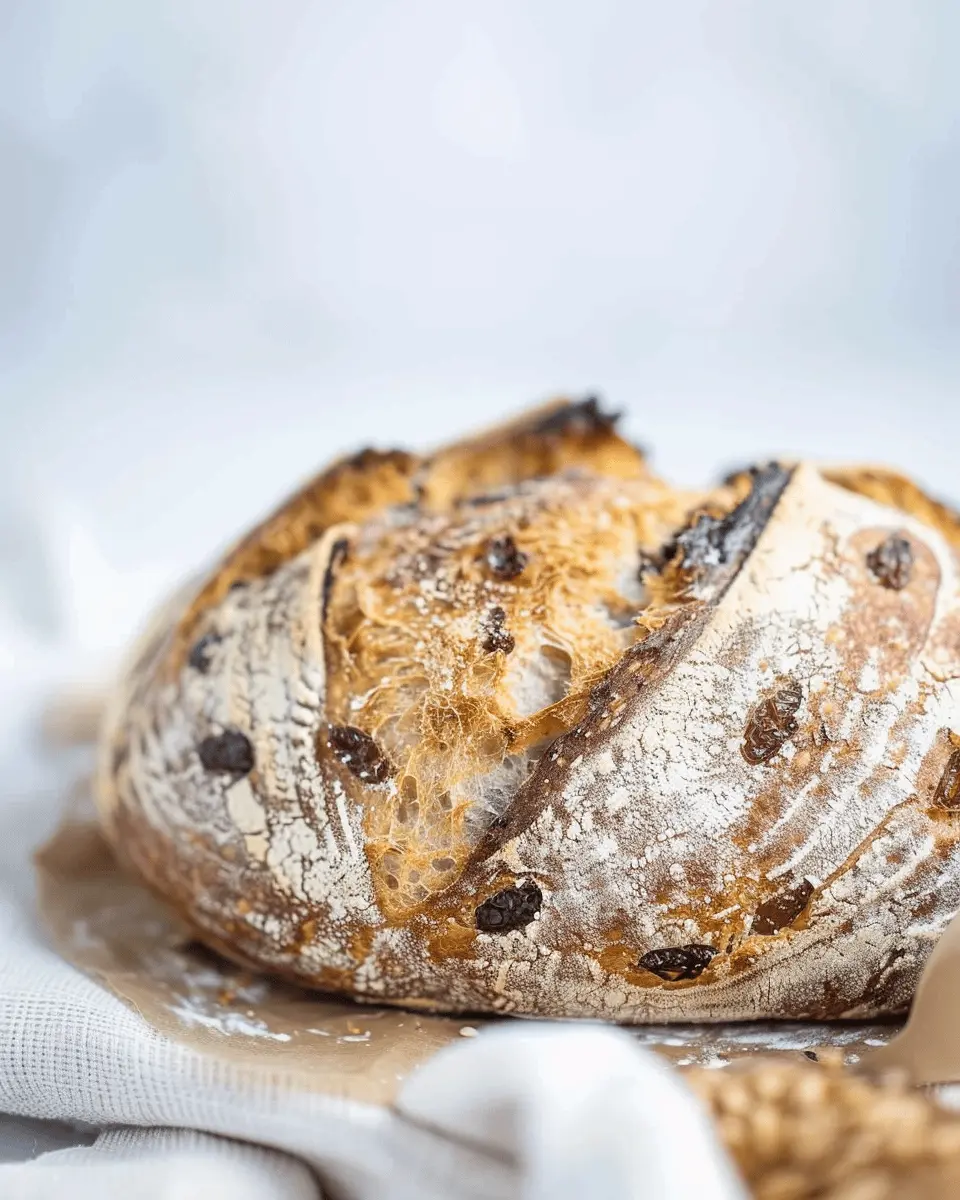
If you’re looking for a cozy, heartwarming treat, homemade sourdough fruit bread is an absolute game changer. This delightful loaf combines the tangy depth of sourdough with the sweetness of dried fruits and nuts, making it perfect for breakfast, afternoon snacks, or even dessert. But what sets it apart? The magic lies in the fermentation process of sourdough, which not only enhances the flavor but also improves the texture, making each slice a little piece of heaven.
Why Homemade Sourdough Fruit Bread is a Game Changer
So why jump on the homemade sourdough fruit bread bandwagon? Here are a few compelling reasons:
-
Healthier Ingredients: When you bake at home, you control what goes into your bread. Think whole grains, natural sweeteners, and fresh fruits—no preservatives here.
-
Enhanced Flavor: The long fermentation process of sourdough creates a complex flavor profile. When combined with fruits like raisins, cranberries, or apricots, the result is a loaf that’s rich and satisfying, offering a sweet yet tangy taste.
-
Nutritional Benefits: Sourdough fermentation makes certain nutrients more bioavailable. It’s easier on the gut and offers a lower glycemic index than traditional bread, making it a healthier choice.
-
Creative Freedom: Homemade baking lets your creativity shine! You can mix and match your favorite fruits and add nuts or spices to suit your palate. Ever thought about adding walnuts or cinnamon? Go for it!
-
A Sense of Accomplishment: There’s a unique joy in baking your own bread. The smell that fills your kitchen as it bakes is unbeatable and creates a comforting atmosphere that store-bought bread simply can’t match.
For inspiration, check out the history behind sourdough at King Arthur Baking. Not only will you learn about traditional techniques, but you’ll also gain insights into the potential health benefits.
In summary, the best sourdough fruit bread is not just about the end product; it’s about the journey of creating something delicious and nourishing from scratch. Whether you’re sharing it with loved ones or savoring a slice solo, this bread is bound to enhance your day!

Ingredients for the Best Sourdough Fruit Bread
Essential ingredients you need
To create the best sourdough fruit bread, you’ll need a few staple ingredients that combine to give you that delightful tang and chewy texture. Here’s what you should have on hand:
- Active sourdough starter: The cornerstone of flavor and leavening.
- Bread flour: Offers strength and structure for a lofty loaf.
- Water: Preferably filtered, for optimal fermentation.
- Salt: Enhances flavors and regulates yeast activity.
- Mixed dried fruits: Consider raisins, apricots, or cranberries for sweetness and chewiness.
Optional mix-ins for extra flavor
Don’t hesitate to elevate your fruit bread by incorporating some optional mix-ins! They can add a personal touch:
- Nuts: Walnuts or almonds for crunch.
- Spices: Cinnamon or nutmeg to warm up those flavors.
- Zest: Lemon or orange zest for a bright, citrusy note.
By mixing and matching these ingredients, you can create a unique version that reflects your tastes. For more on baking techniques, check out this resource from the King Arthur Baking Company. Happy baking!
Preparing the Best Sourdough Fruit Bread
If you’re looking to elevate your baking game, making the best sourdough fruit bread can be quite the adventure. With its soft crumb, delightful flavor, and beautiful crust, this bread makes the perfect centerpiece for breakfast, snacks, or even dessert. Let’s dive into the amazing process of creating this delicious treat!
Activate your sourdough starter
Before anything else, you’ll need to ensure your sourdough starter is alive and well. A healthy starter is the key to a delicious loaf. A day before baking, feed your starter to get it bubbly and ready. Simply take equal parts of flour and water (typically a 1:1 ratio) and mix with your existing starter, allowing it to sit at room temperature. If you’re new to sourdough, check out resources like The Perfect Loaf for tips on caring for your starter.
Mix your base ingredients
Once your starter is active, it’s time to gather the essential ingredients for your dough. You’ll need:
- 500g bread flour
- 350g water (room temperature)
- 10g salt
- 150g active sourdough starter
In a large mixing bowl, combine the water and starter, then add the flour and salt. Use a spatula or your hands to mix everything until no dry flour remains. The dough may be sticky, but that’s expected!
The art of stretch and fold
This technique is crucial for developing gluten in your dough. After your initial mix, let the dough rest for about 30 minutes. Then, wet your hands to prevent sticking and grab one side of the dough, stretching it gently upwards before folding it over to the opposite side. Rotate the bowl and repeat this process for all sides—aim for about 4 folds in total. This method not only builds strength in your dough but also imparts a unique texture.
Incorporating fruit and nuts
Now comes the fun part—adding your fruit and nuts! Think dried fruits like apricots, cranberries, or raisins. Chopped nuts such as walnuts or pistachios also add delightful crunch and flavor. Once your dough has had its stretch and fold session, sprinkle the fruit and nuts over the surface, then gently knead or fold them into the dough until evenly distributed. This stage is where your best sourdough fruit bread truly starts to shine.
Bulk fermentation magic
With your dough complete, it’s time for bulk fermentation. Place it in a lightly greased bowl and cover it with a damp cloth. Let it rest for 4-6 hours at room temperature, or until it has roughly doubled in size. This is when the magic happens—enzymes in the flour convert starches to sugars, providing flavor and structure.
Shaping the dough
Once bulk fermentation has finished, gently turn your dough onto a floured surface. Shape it into a round or oval loaf, depending on your preference. Tension is key here, so use your hands to pull the dough towards you while rotating it to create surface tension.
The final rise phase
After shaping, place your dough in a well-floured proofing basket, seam side up. Cover it with a cloth and let it proof for another 1-2 hours or in the refrigerator overnight for complex flavor development.
Preheating and baking in a Dutch oven
When you’re ready to bake, it’s important to preheat your Dutch oven at 450°F (232°C) for at least 30 minutes. This helps create a steamy environment, essential for that crunchy crust. Carefully place your dough into the pot (a parchment paper helps with this) and cover with the lid. Bake for 30 minutes, then remove the lid and bake for an additional 15-20 minutes until golden brown. The aroma will be irresistible!
With these steps, you’ll be well on your way to mastering the best sourdough fruit bread. Enjoy your baking journey!

Variations on the Best Sourdough Fruit Bread
When it comes to developing your own twist on the best sourdough fruit bread, the exciting world of dried fruits and nuts can take your loaf to new heights. Let’s dive into a couple of delightful variations that will surely impress your friends and brighten your breakfast table!
Adding Different Dried Fruits
One of the simplest ways to customize your sourdough fruit bread is by experimenting with different dried fruits. While classic options like raisins and apricots are undeniably tasty, consider these alternatives for a unique flavor profile:
- Dried Cranberries: Their tartness adds a pleasant contrast.
- Chopped Dates: Known for their rich sweetness, they can add a lovely caramel flavor.
- Dried Figs: These lend a chewy texture and a subtly earthy taste.
Feel free to mix and match! The balance of flavors not only makes your bread visually appealing but also offers various health benefits. Check out this article from the USDA for nutritional insights on dried fruits.
Nut Alternatives for Distinct Flavors
Incorporating nuts into the best sourdough fruit bread adds both crunch and nutrition. If you’re looking to make things a little different, consider these choices:
- Walnuts: They provide a robust flavor and pair beautifully with figs.
- Pecans: Their buttery richness complements cranberry and orange-infused versions.
- Almonds: Sliced or chopped, they introduce a lovely crunch and delicate sweetness.
When choosing nuts, remember to toast them gently before mixing them into your dough. This enhances their flavor and intensifies the bread’s aroma while baking. Variations are only limited by your imagination, so don’t hesitate to explore!
By incorporating different fruits and nuts, you’re not just baking; you’re crafting a story with every loaf. Happy baking!
Cooking Tips and Notes for the Best Sourdough Fruit Bread
Troubleshooting Common Issues
In your quest to bake the best sourdough fruit bread, you might face a few hurdles. Here are some tips to overcome common challenges:
- Dense Texture: If your bread feels heavy, it could be due to insufficient fermentation. Give it more time to rise—and don’t skip the stretch and fold techniques.
- Too Crumbly: This may result from using too much fruit or not enough hydration in the dough. Balance your mix by measuring carefully.
- Underbaked Interior: Always check for doneness by tapping the bottom of the loaf; it should sound hollow. If you’re unsure, use a thermometer; the internal temperature should be around 190°F.
Importance of Monitoring Fermentation
Fermentation is the heart of sourdough bread-making. It’s crucial to keep an eye on your dough’s rise, as the wild yeast and bacteria are busy developing flavor. Try to observe:
- Bubbles: Look for a bubbly surface or sides; it indicates active fermentation.
- Doubling Size: Your dough should at least double in volume during bulk fermentation.
- Timing: Depending on temperature, fermentation can vary. Don’t rush it; sometimes patience leads to the best flavor.
Remember, understanding fermentation will not only help you bake the best sourdough fruit bread but makes you a more confident baker overall! For more insights, check out The Perfect Loaf for additional sourdough tips and tricks.
Serving suggestions for the Best Sourdough Fruit Bread
Pairings: What to enjoy with your bread
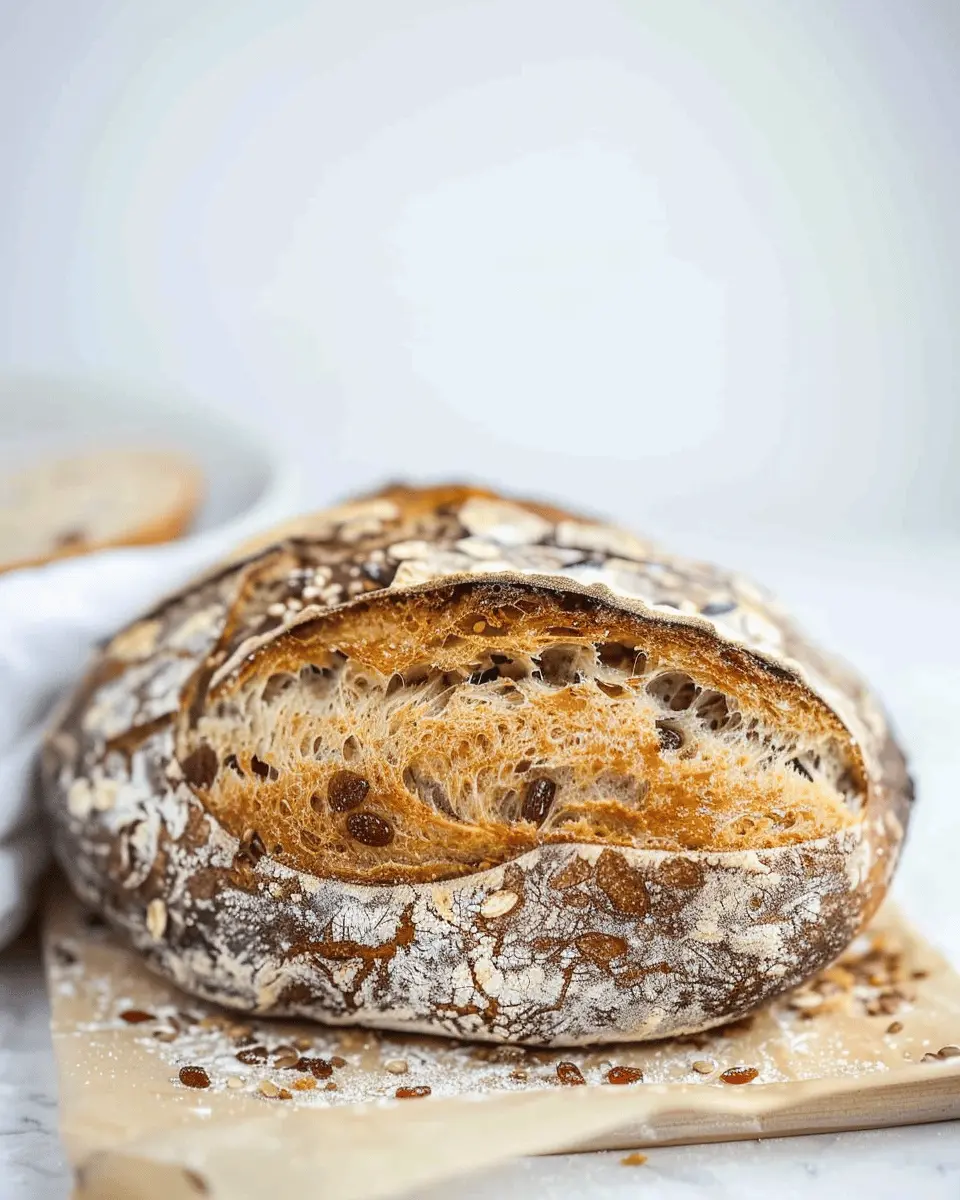
The best sourdough fruit bread isn’t just delicious on its own; it pairs wonderfully with a variety of toppings! Try spreading a rich layer of cream cheese for extra creaminess, or for a lighter option, consider a drizzle of honey that complements the bread’s sweetness.
If you enjoy savory flavors, smoked turkey bacon or chicken ham can add a delightful contrast to the fruitiness. For a plant-based twist, almond or peanut butter works well, turning your slice into a wholesome snack.
Creative uses for leftover fruit bread
Have some leftover slices? Don’t let them go to waste! Transform them into a scrumptious French toast by soaking in a mix of beaten eggs, almond milk, and a sprinkle of cinnamon. The result? A sweet breakfast that’s sure to impress.
Alternatively, you can cube the bread and toss it into a salad, giving your greens a tasty crunch. For more inspiration on creative uses, check out this article on food waste solutions.
Utilizing your best sourdough fruit bread in these ways ensures you’re savoring every crumb!
Time Breakdown for the Best Sourdough Fruit Bread
When you’re gearing up to bake the best sourdough fruit bread, understanding the time commitment is essential. Here’s a handy breakdown to help you plan your baking adventure:
Preparation Time
Expect to spend about 30 minutes mixing, measuring, and prepping your ingredients. This is where the magic begins, so take your time to enjoy the process.
Rising Time
Rising is crucial for great flavor and texture. Plan for 4 to 6 hours for the initial rise, depending on your dough and the temperature in your kitchen. A longer rise can enhance the sourdough flavor.
Baking Time
Once your dough has risen, it’s time to pop it in the oven! Baking will take around 40 to 50 minutes. Keep an eye on that golden crust—just right for a delightful crunch.
Total Time
All in all, you should set aside about 5 to 7 hours for the entire process. While that may seem lengthy, remember that a good sourdough bread needs just a bit of patience for phenomenal results.
With this breakdown, you’re well-equipped to start your journey to baking the best sourdough fruit bread. Happy baking! For more tips on sourdough techniques, check out King Arthur Baking for expert advice on bread-making.
Nutritional facts for the Best Sourdough Fruit Bread
When you indulge in the best sourdough fruit bread, it’s good to be informed about what you’re experiencing in terms of nutrition. Here’s a quick overview of the nutritional facts in your delightful slice:
Calories breakdown
- Calories per slice: Approximately 180-220
- Carbohydrates: 34g
- Protein: 5g
- Fat: 4g
Nutritional highlights
This bread offers an excellent balance of nutrients. It’s rich in fiber from dried fruits—like raisins and apricots—which aids digestion. The natural fermentation process of sourdough not only enhances flavor but also improves the bioavailability of minerals. You’ll also find essential vitamins, making this bread a wholesome choice for breakfast or a snack.
If you’re curious about how sourdough can benefit gut health, check out this article from the American Journal of Clinical Nutrition. It’s packed with insights into the powerful properties of fermented foods.
Incorporating the best sourdough fruit bread into your diet not only satisfies your sweet cravings but also supports your health in a delicious way. So why not grab a slice today?
FAQ about the Best Sourdough Fruit Bread
Can I use a different type of flour?
Absolutely! While the best sourdough fruit bread is often made with all-purpose or bread flour, experimenting with different types can yield unique flavors. Whole wheat flour adds a nuttier taste and nutritional punch, and rye flour may lend a delightful earthiness. If you’re feeling adventurous, try a blend of flours to see what depth of flavor you can create. Keep in mind that using a higher-protein flour can help achieve that desirable chewy texture.
How do I store sourdough fruit bread?
Once you’ve baked the best sourdough fruit bread, storing it properly is essential to maintain its freshness. Allow it to cool completely before wrapping it in a clean kitchen towel, which helps retain moisture without making it soggy. For longer storage, place it in an airtight container or a resealable plastic bag, ideally in a cool, dark place. If you want to keep it for longer than a few days, consider freezing it. Just slice it beforehand so you can grab a piece whenever the craving hits!
What if my dough doesn’t rise?
If your dough isn’t rising, don’t panic! This can happen for a few reasons:
- Inactive starter: Ensure your sourdough starter is fed and bubbly before you begin.
- Temperature: The dough needs a warm environment to ferment properly. A cozy kitchen or an oven with just the light on can help.
- Kneading: Make sure you’ve given your dough enough kneading or folding time for gluten development.
If you find yourself in a sourdough slump, read more about troubleshooting tips on King Arthur Baking. Remember, every loaf is a learning experience!
Conclusion on the Best Sourdough Fruit Bread
Final thoughts and encouragement to bake
Reflect on the joy of baking the best sourdough fruit bread. With its delightful mix of flavors and textures, this recipe is bound to become a cherished favorite in your home. You’re not just baking bread; you’re creating delicious memories to share with family and friends.
Don’t be intimidated by the process—embrace it! Baking is a rewarding journey, and each loaf brings a new lesson. So gather your ingredients, and let your creativity flow. Whether you enjoy it toasted with a spread or as part of a breakfast feast, this bread is sure to impress. Happy baking! For more tips on perfecting your bread skills, check out sources like the Bread Baking School.
PrintThe Best Sourdough Fruit Bread Recipe for a Sweet Indulgence
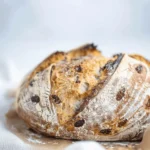
The Best Sourdough Fruit Bread is a deliciously sweet and fruity treat that’s perfect for breakfast or as a snack.
- Prep Time: 20 minutes
- Cook Time: 35 minutes
- Total Time: 2 hours 5 minutes
- Yield: 1 loaf 1x
- Category: Bread
- Method: Baking
- Cuisine: American
- Diet: Vegetarian
Ingredients
- 2 cups all-purpose flour
- 1 cup sourdough starter
- 1/2 cup warm water
- 1/4 cup sugar
- 1/2 teaspoon salt
- 1 cup mixed dried fruits
- 1 teaspoon cinnamon
Instructions
- In a large bowl, mix the sourdough starter, warm water, and sugar until combined.
- Add the all-purpose flour, salt, and cinnamon, mixing until a dough forms.
- Knead the dough for about 10 minutes until smooth.
- Fold in the mixed dried fruits and let the dough rise, covered, for 1-2 hours until doubled in size.
- Preheat your oven to 350°F (175°C).
- Shape the dough and place it in a greased loaf pan.
- Bake for 30-35 minutes or until golden brown and a toothpick comes out clean.
- Let cool before slicing and serving.
Notes
- For best results, use a well-fed sourdough starter.
- Feel free to substitute dried fruits with your favorites.
Nutrition
- Serving Size: 1 slice
- Calories: 150
- Sugar: 8g
- Sodium: 200mg
- Fat: 2g
- Saturated Fat: 0g
- Unsaturated Fat: 1g
- Trans Fat: 0g
- Carbohydrates: 30g
- Fiber: 2g
- Protein: 4g
- Cholesterol: 0mg
Keywords: sourdough fruit bread, sweet bread, homemade bread